
Blog
Settings Enhanced Spinjo Casino Broadens Options for New Zealand
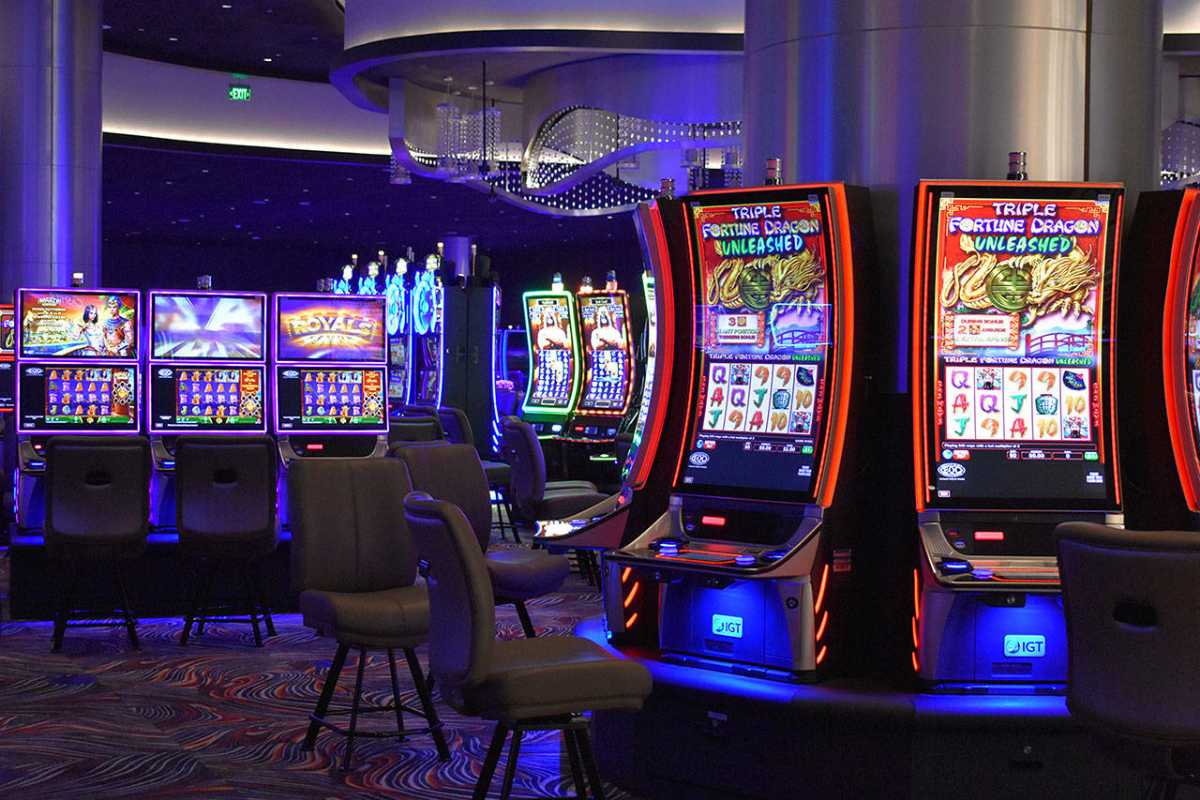
Spinjo Casino has discreetly pulled off one of the biggest platform redesigns in New Zealand’s interactive gaming sector this year. This isn’t a fresh coat of paint. The platform has created a deeply customizable interface from the foundation, bringing in a configuration-focused framework that alters how Kiwi players interact with their accounts. We’re talking specific deposit triggers, session-based display options that follow you across devices, and actual control over the feel of the site. Industry observers who follow the local digital wagering scene point out that the development isn’t about adding more titles or adding another payment option. It’s about giving operational control back to the customer. This review walks through the seven critical dimensions of the new experience and examines how the improved settings system turns Spinjo Casino into a case study in responsible, preference-driven development for a New Zealand clientele.
Customized Command: The New Settings Dashboard Reshaping User Experience
The heart of the update is a overhauled settings dashboard that dismantles the old one-size-fits-all approach to account management. Critical controls are no longer buried behind numerous menus. Spinjo Casino now delivers a centralized command center where players can fine-tune audiovisual feedback, notification frequency, and even the density of the game lobby display in real time. The dashboard relies on a modular card-based layout that adapts to how each person interacts with the platform, surfacing the toggles that are most important without clutter. For a New Zealand market that persistently seeks more digital sovereignty, this level of granular customization departs from the rigid templates competing platforms depend on. It also suggests that the operator has paid attention to complaints about cognitive load and interface fatigue.
Beyond visuals, the new settings architecture brings contextual smart defaults that conform to the device in use and the time of day a session starts. A player logging in from a mobile phone after 10 p.m. gets a more subdued palette, reduced animation effects, and a streamlined quick-deposit module that strips back on-screen elements. These changes aren’t forced. The system suggests them, and the player can approve or change them permanently. The analytical takeaway here is simple: Spinjo Casino treats the user interaction as a living environment, not a static storefront. By integrating behavioral data into the settings layer without violating privacy, the platform builds a seamless path to personalization. That is important for the diverse digital habits of players across Auckland, Wellington, and Christchurch.
The extended options also feature a session preset system. Players can preserve multiple profiles for various play styles. A casual midweek sports bettor might activate a low-stimulus mode with minimal promotional banners. A weekend casino enthusiast could toggle to a high-energy layout with live dealer alerts and tournament leaderboard feeds. This feature understands that a single New Zealand player can have several gaming identities. It also eradicates the tedious recalibration that used to make switching between modes a chore. The settings sit securely in the cloud, so a player logging in from a shared laptop in a Queenstown hostel gets the same tailored environment they configured on their home desktop in Hamilton, as long as they complete standard identity verification.
Safe and Transparent: The Upgraded Privacy Controls

Confidentiality options have been fully overhauled in this update, reflecting the rising requirement among New Zealand users for explicit oversight over their personal data. Spinjo Casino now provides a multi-level agreement framework that divides essential operational data from marketing analytics and personalization cookies. Each category is described in plain language, free of legal jargon, and players can adjust consent for each layer independently without losing access to core gaming functions. The transparency dashboard offers a real-time log of data access requests, showing precisely which departments or automated systems have interacted with the player’s information and for what purpose. This feature places the platform ahead of most contenders in the Asia-Pacific region.
The settings also present a self-service data export tool that meets New Zealand’s Privacy Act principles. Players can download a structured record of their account activity, transaction history, and communication preferences at any time. What makes this particularly noteworthy is the inclusion of estimated details, such as the usage categories the system uses to personalize the game lobby. Players get full visibility into the digital profile the casino creates. This level of disclosure is seldom observed in the entertainment sector and aligns Spinjo Casino with the data ethics standards typically reserved for financial institutions. The bold stance sends a clear signal that the operator treats trust as a competitive advantage rather than a regulatory burden.
The upgraded security structure also contains a temporary anonymous mode for navigating the game library and viewing promotional material without storing a permanent session footprint. When engaged, the platform does not log game launches or page views in the user’s main profile, though it still maintains necessary security logs for anti-fraud purposes. This feature respects the discovery stage of a player’s journey, where they may want to look into new titles or study rules without the sense of being watched. For a perceptive New Zealand audience that cherishes personal space, this unassuming improvement is likely to be a significant differentiator in a crowded market.
Responsible Gambling Tools That Respect Player Choice
Spinjo Casino’s advanced settings framework transforms the responsible gambling toolkit by shifting from a compliance-driven set of requirements to a authentically empowering suite of options. The new reality check system is fully personalizable. Players can set session time reminders that are either forceful full-screen notifications or subtle status-bar pulses, according to their liking. The deposit limit module now supports daily, weekly, and fortnightly limits that can be tightened instantly but require a 24-hour cooling-off period to loosen, a setup that reconciles safety with autonomy. The platform also introduces a voluntary self-assessment questionnaire that provides a personalized risk score without revealing the results with the operator, using on-device processing to maintain confidentiality.
The expanded options also include a spend tracker that categorizes net position over configurable time frames, displaying the data in a balanced, non-judgmental format that fosters reflection rather than shame. Players can opt to receive a weekly summary email that matches their activity against their own historical averages, not against random benchmarks. This data-driven approach fits with New Zealand’s public health messaging around gambling harm, which emphasizes informed choice. The settings dashboard also links directly to local support services such as the Gambling Helpline New Zealand, with an option to set a one-tap call button that appears on the screen only when the player opts to enable it, preventing the stigmatizing effect of permanent crisis icons.
Perhaps the most groundbreaking feature is the time-out budget planner. Players can set a future date range during which their account will automatically enter a restricted mode with pre-set spending and time limits. This tool is intended for those who want to plan a time away around a holiday or a particularly busy work period, rather than reacting to a moment of difficulty. The settings interface frames this as a positive lifestyle option, using language that normalizes the decision to take a pause. For an operator targeting a mature New Zealand clientele, this respectful, non-paternalistic approach to safer play is likely to generate deeper loyalty than the punitive measures that characterize many legacy platforms.
Mobile-Optimized Design: Gaming on the Go Around New Zealand
This settings development reaches its complete capacity on mobile devices, where Spinjo Casino has implemented a gesture-controlled shortcut panel that places the key settings into a thumb-friendly zone. A large portion of New Zealand’s online gaming happens on smartphones during commutes or in countryside regions with fluctuating network strength. Aware of this, the operator has engineered a efficiency mode that tailors graphical fidelity and background data usage according to the network strength measured by the device. This settings panel allows players to establish a data cap for the app, define low-bandwidth presets for designated places, and even plan large game asset downloads for Wi-Fi-only periods, avoiding unexpected mobile data drain.
The mobile experience gets further enhanced by a geographic notification feature that respects the country’s unique time zones and daylight saving patterns. Players can set up session reminders that reflect their local time, and the platform can switch its promotional rhythm to match New Zealand’s business hours, preventing late-night marketing pushes unless specifically allowed. The analytical advantage is double-edged: players feel that the platform grasps their daily rhythm, and the operator lowers the risk of notification fatigue that leads to app uninstalls. The options menu also includes a battery optimization toggle that minimizes background animations when the device charge goes below a user-defined threshold, a small but meaningful touch that underscores the platform’s commitment to practical user experience design.
For players who frequently move between urban centers and remote areas, the enhanced settings enable a easy switch between online and near-offline conditions. Full offline play isn’t supported, but the system can cache a curated selection of game rules and paytable information, and it buffers the live dealer lobby streams at a reduced quality to maintain a stable connection over unreliable rural internet. This mobile configuration screen displays a connectivity health score, enabling players to make informed decisions about which games to launch based on their present internet situation. This analytical approach to mobile performance creates a new benchmark for how gaming platforms can adapt to the geographical realities of New Zealand’s North and South Islands.
A Tailored Game Library That Reflects Local Preferences
The settings enhancement reaches deep into the game lobby, where Spinjo Casino has implemented a curation tool that curates titles using a player’s manually selected preferences and anonymous play patterns. Standard recommendation algorithms simply push the most trending slots. This system lets users adjust their discovery feed by adjusting sliders for volatility, theme, complexity, and even the presence of specific bonus mechanics like cascading reels or hold-and-win features. The outcome is a library that appears personally assembled, not broadly advertised. The New Zealand audience has shown a strong liking for high-volatility pokies with Māori-inspired art and Pacific Rim narratives, and the curated approach brings out games that would otherwise get lost in a generic catalogue of thousands.
Players can also enable a regional spotlight mode that showcases titles from studios that have dedicated in local cultural consultation or that showcase New Zealand voice actors and soundscapes. This isn’t a gimmick. It’s a deliberate attempt to bridge the gap between global software providers and a community that appreciates authentic depiction. The preferences panel stores these preferences across sessions, and the game tiles display at-a-glance indicators showing which of the player’s picked criteria a title fulfills. An observant observer would note that this lowers decision paralysis and enhances time spent exploring content that genuinely connects, a metric that advantages both player satisfaction and operator retention rates in a mature market.
The upgraded controls also offer a practice mode timer. Players can assign a specific time budget for free-play sessions before investing real funds. This feature proves particularly helpful for testing new game mechanics or learning the paytable of a complex slot without the stress of a live balance. The settings dashboard shows the session length and outcomes in a clear summary, giving players a informed foundation for their future real-money decisions. For a nation that consistently ranks high in financial literacy, this combining of entertainment analytics and practical budgeting tools seems less like a casino feature and more like a modern financial planning app customized for leisure.
Broadened Payment Methods for Kiwi Players
The improved settings framework dovetails with a notable expansion of the cashier ecosystem, built around payment behaviors observed in New Zealand. Spinjo Casino has integrated several local bank transfer protocols and digital wallets that have become popular in the Pacific region, lowering the reliance on international card schemes that often charge foreign transaction fees. The new wallet management dashboard allows players establish funding priorities, designate default currencies for multi-currency accounts, and create short-term spending caps that apply to newly added payment methods during a cooling-off period. This is a meaningful step forward in financial control. It moves past simple deposit limits toward a system that comprehends the psychological friction different payment channels create.
Analysts examining the expanded options will notice the inclusion of POLi payments and a polished integration with New Zealand’s domestic banking infrastructure, which accelerates withdrawal processing times considerably. The settings panel now shows real-time status indicators for each linked payment method, featuring estimated clearing times that update dynamically based on the day of the week and public holiday schedules. That transparency eliminates the old pain point of guessing when funds will arrive, a detail that has damaged trust in the market for years. By letting players activate notifications for each step of the withdrawal journey, Spinjo Casino transforms a traditionally opaque process into a traceable, user-controlled experience. That matches the high expectations of digitally literate Kiwi consumers.
The operator has also launched a payment method restriction feature. Players can voluntarily block specific deposit channels for a self-defined period. This tool functions independently of the broader responsible gambling limits and is presented as a budgeting aid, not a punitive measure. A player might turn off credit card deposits while maintaining the ability to use a prepaid voucher or bank transfer, forming a self-imposed financial boundary they can change once every seven days. The feature responds directly to research indicating that New Zealand players desire flexible, non-intrusive tools that support informed decision-making without permanent account flags.
Regional Customer Support and Community Engagement
The ultimate pillar of the improved settings expansion is a reworked support ecosystem that leverages the same customization engine to provide location-aware assistance. Players can now choose their preferred support language, casino spinjo immersive gaming experience, communication channel, and availability windows directly within the settings dashboard. The platform channels queries to a dedicated team knowledgeable about New Zealand’s regulatory environment and cultural nuances, making sure that conversations about banking delays or game rules are handled with context that a generic overseas call center cannot supply. The settings also allow for a callback scheduling feature that respects the player’s chosen time zone, removing the frustration of missed calls across international date lines.
Spinjo Casino has also introduced a community feedback loop that links the settings preferences of consenting players to the product development roadmap. An opt-in panel lets users to vote on proposed features, such as the addition of specific payment methods or the introduction of new game categories, right through the dashboard. The results are published clearly, and the operator pledges to quarterly public reports on how player input has shaped the platform. This level of engagement turns the settings menu from a passive configuration tool into an active dialogue channel, something that resonates strongly with New Zealand’s participatory culture and its expectation that businesses operating in the community should be accountable to it.
The improved settings also govern the frequency and substance of promotional communications with a accuracy that feels almost customized. Players can select to get only bonuses connected to games they have actually tried, or to be informed when a new title corresponding to their chosen genre preferences is launched. The system even enables for a tournament opt-in that is particular to certain buy-in levels, guaranteeing that recreational players are not bombarded with high-roller events that have no relevance. This fine-tuned communication control reduces inbox fatigue and strengthens the impression that Spinjo Casino is a service tailored to the individual, not a broadcast platform pushing a consistent agenda across the full New Zealand market.
The settings-enhanced expansion at Spinjo Casino constitutes a deliberate and analytically sound move toward player-centric architecture. By embedding deep customization into every layer of the experience, from payment hygiene and privacy protocols to game discovery and responsible gambling tools, the platform has developed a digital environment that values the insight and variety of the New Zealand audience. The confident execution of these features suggests an operator that understands loyalty is established not through flashy welcome offers, but through the subtle, persistent respect earned when a player feels truly in charge of their own experience.